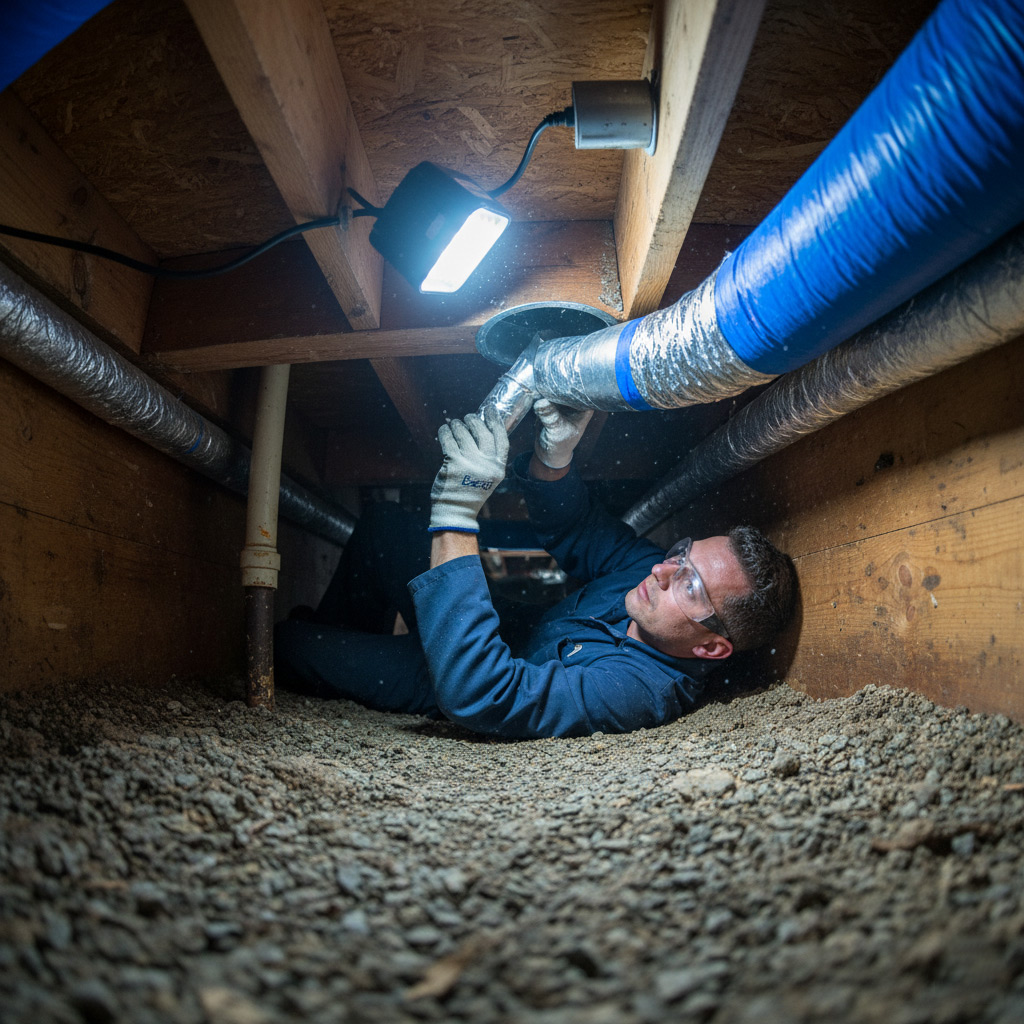
You know that dread. That sick feeling in the pit of your stomach when your Orlando AC unit starts making noises it never made before, or worse, just stops blowing truly cold air.
In Florida, a struggling air conditioner isn't merely an inconvenience; it's a full-blown crisis waiting to happen. It threatens your comfort, your peace of mind, and ultimately, your wallet.
We're not here to sugarcoat it. If your AC is wheezing its last breath, you deserve to know exactly what's happening, why it matters, and what your real choices are before that minor issue explodes into a sweltering nightmare. We're pulling back the curtain on the harsh realities of a dying AC in the Florida heat and what it truly means for your home.
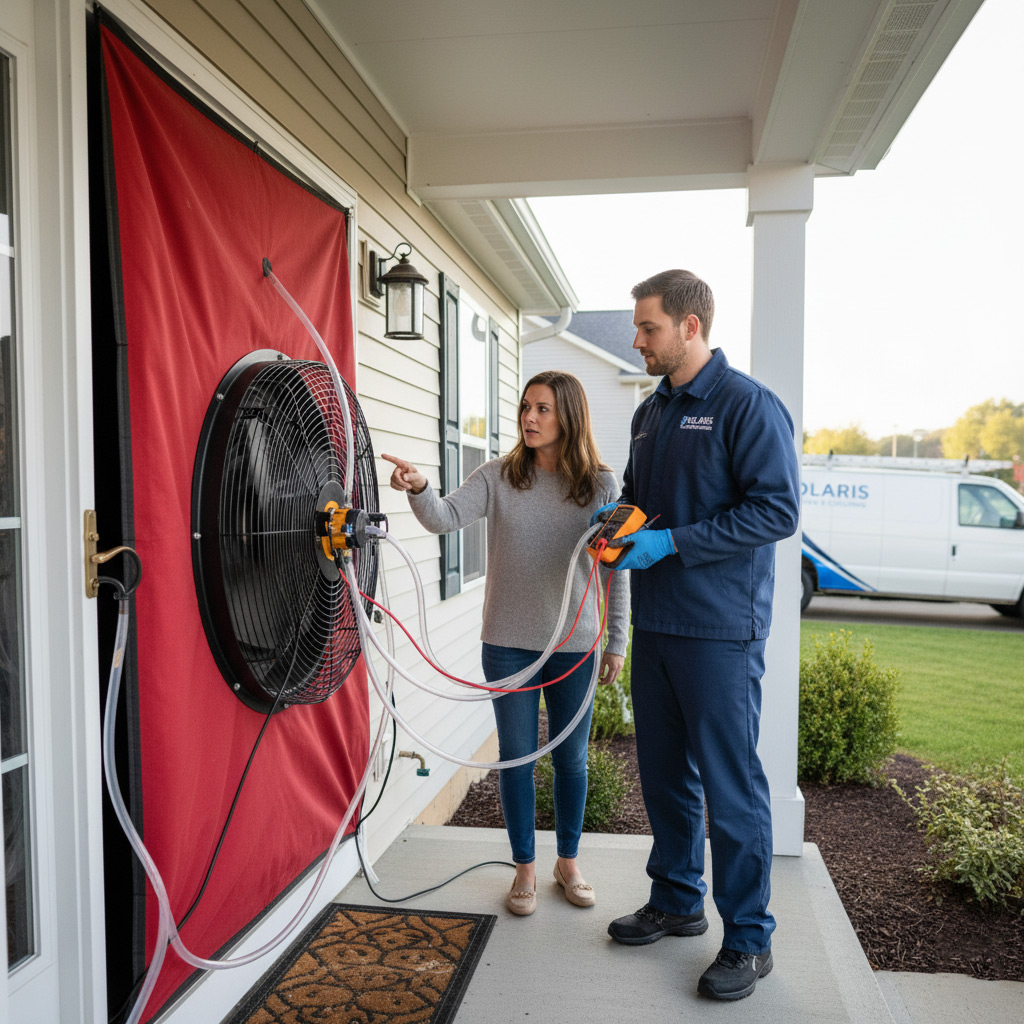
The Tell-Tale Signs: Is Your Orlando AC On Its Last Legs?
Most homeowners don't wait for a total AC meltdown. Instead, your unit often sends out subtle distress signals long before it decides to quit entirely. Ignoring these early warnings is like ignoring the check engine light in your car – it rarely ends well.
Understanding these signs isn't about becoming an HVAC expert. It's about protecting your home and your wallet from a much bigger, hotter problem down the road. Pay attention to these common indicators that your Orlando AC might be ready for retirement.
Uneven Cooling: The Hot & Cold Reality
Do some rooms feel like a sauna while others are freezing? This is a classic symptom of an AC struggling to distribute cool air evenly.
If you're getting warm air from the vents when the thermostat is set to cool, your compressor might be on its last leg, or you could have a significant refrigerant leak.
The Sound of Trouble: Noises That Signal Doom
New, unusual noises are never a good sign. Grinding, squealing, or banging sounds often point to failing motors or loose components within your unit.
A continuous hum that grows louder over time could indicate a dying fan motor or electrical issues. Your AC shouldn't sound like it's fighting a losing battle.
Mystery Leaks and Odd Smells
Puddles of water around your indoor unit are a clear red flag. This could mean a clogged condensate drain line or even a refrigerant leak, both of which require immediate attention.
A musty, damp odor might signal mold growth within your ducts or evaporator coil. Even worse, a burning smell means electrical components are overheating – a serious fire hazard.
Spiking Energy Bills: The Silent Thief
Is your power bill suddenly through the roof, but your cooling habits haven't changed? A failing AC unit works harder to achieve the same temperature, consuming far more energy than it should.
This increased workload puts immense strain on the system, accelerates wear and tear, and essentially throws your hard-earned money out the window for dwindling comfort.
Beyond Age: The Hidden Causes of AC Failure in Florida's Climate
You might think your AC is just "old," but here's the kicker: Florida's brutal climate doesn't play fair. While age certainly factors in, the truth is, your unit is fighting a constant, unseen battle against elements most other states don't even comprehend.
The relentless humidity, for instance, isn't just uncomfortable for you; it's a silent killer for your AC. This isn't just about feeling sticky. That moisture encourages mold and mildew inside your ducts and coils, suffocating airflow and forcing your system to work overtime. Plus, the sheer volume of run time in our never-ending summer pushes components past their typical limits, leading to premature wear and tear on everything from compressors to fan motors. Think of it: your AC rarely gets a break here.
Florida's AC Killers: What's Really Going On?
It’s more than just the heat. Here are the true culprits:
- Constant Humidity: This isn't just about comfort. It causes coils to freeze more easily, promotes mold growth within the system, and can corrode electrical components over time.
- Salt Air (Even Inland): While Orlando isn't on the beach, the general moisture in the air, combined with environmental factors, can contribute to corrosion on outdoor units. It’s subtle, but it adds up.
- Dust and Pollen Overload: Our climate often means more outdoor activity, which means more dust, pollen, and debris getting sucked into your unit, clogging filters and coils faster than you’d believe.
- Drain Line Clogs: With so much condensation, your AC's drain line is constantly working. It’s a prime spot for algae and sludge to build up, causing frustrating and damaging water backups.
Ignoring these climate-specific stressors is like driving your car hard every single day without an oil change. Eventually, something critical will seize up, and it won't be pretty.
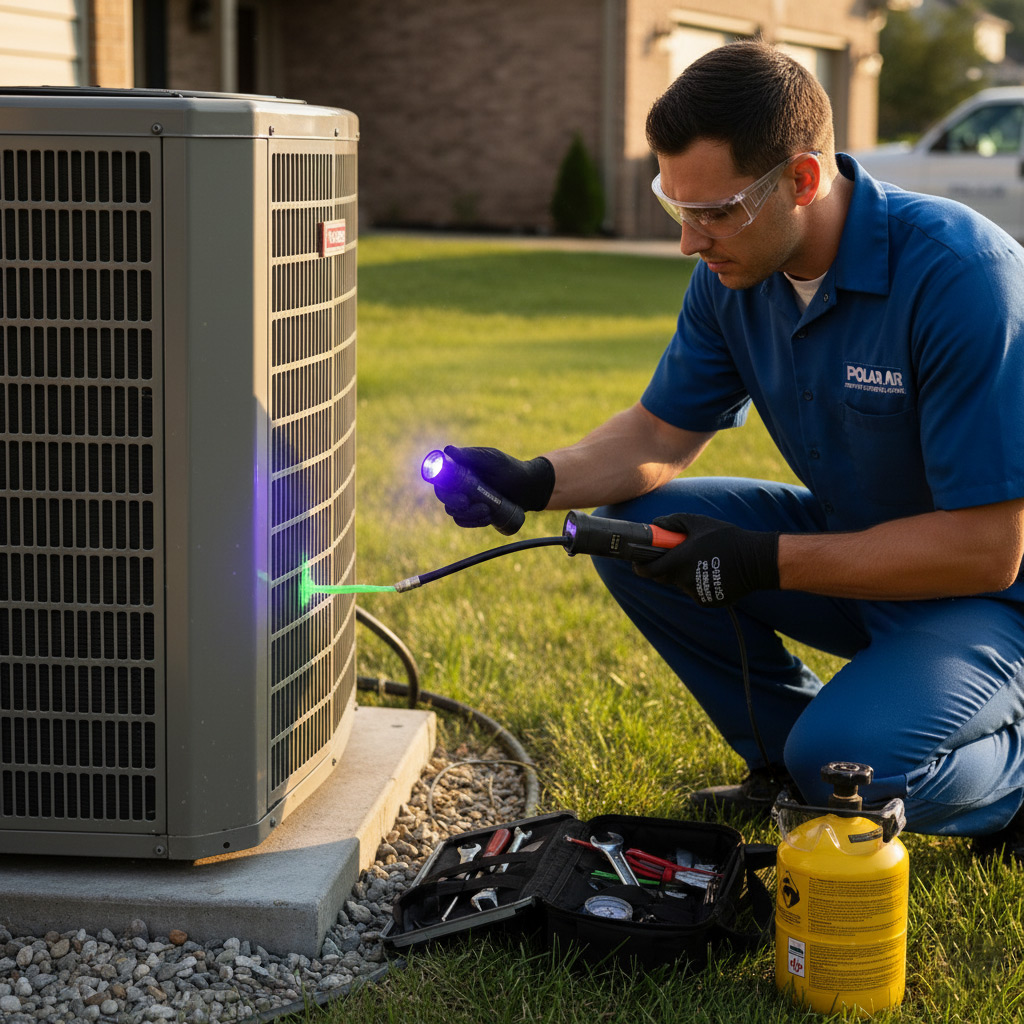
The True Price Tag: Why Ignoring a Failing AC Costs You More Than Just Comfort
Think that nagging AC noise or slightly warmer air is something you can just "live with" for a while? Think again. In Orlando, ignoring a struggling air conditioner isn't just about feeling a little less comfortable; it's a direct assault on your bank account, and the damage can stack up faster than you realize.
First, consider your energy bill. A dying AC unit is a hungry beast. It works harder, longer, and less effectively to try and hit your thermostat setting. That means your meter is spinning like a top, and you're literally throwing money away, month after sweltering month, on electricity that isn't even keeping you truly cool. It’s like pouring gas into a car with a leaky tank. But the costs don't stop there.
Delaying action also sets you up for bigger, uglier repair bills. What might be a relatively minor fix today—a capacitor, a refrigerant leak, a struggling fan motor—can quickly spiral into catastrophic system failure if left untreated.
Hidden Damages That Bite
And then there are the invisible costs. A compromised AC often means elevated indoor humidity. This isn't just sticky and unpleasant; it's a breeding ground for mold and mildew, which can damage your home's structure, ruin furniture, and become a serious health hazard.
Consider these real risks:
- Structural Deterioration: High humidity can warp wood, damage drywall, and loosen paint.
- Health Issues: Mold spores can trigger allergies, asthma, and respiratory problems for your family.
- Property Damage: From ruined electronics to stained upholstery, the ripple effect of uncontrolled humidity is costly.
Waiting until your AC completely conks out often means emergency service calls, which come with premium pricing, and the intense pressure to make a rushed decision. Don't let a minor inconvenience today turn into a financial catastrophe tomorrow. The smart money acts *before* the system fails completely.
Repair or Replace? Navigating Your Toughest AC Decision in Orlando
This is where the rubber meets the road. Faced with a failing AC, you’ve got two paths: a potentially cheaper fix today, or a bigger investment for genuine peace of mind tomorrow. Don't fall into the trap of pouring good money after bad. It's time for a cold, hard look at your options.
Consider these critical factors before you make a move. How old is your unit? If it's pushing 10 years or more, and the repair cost is nearing 30-50% of a new system, replacement usually makes more financial sense. Frequent breakdowns, skyrocketing energy bills, and inconsistent cooling are all blaring signals that a repair is just a band-aid on a much deeper problem.
Key Considerations for Orlando Homeowners:
- Age of System: Older than 8-10 years? Major repairs might not be worth it.
- Cost of Repair: If it's more than a third of a new unit, think hard about long-term value.
- Frequency of Breakdowns: Constant issues are a drain on your wallet and patience.
- Energy Bill Spikes: An inefficient AC is literally burning your money every month.
- R-22 Refrigerant: If your older unit uses this phased-out coolant, repairs will be increasingly expensive and difficult to find.
In Orlando's relentless heat and humidity, your AC works overtime. A new, high-efficiency system isn't just about comfort; it's about significant savings on your monthly power bill and knowing your home will stay cool even in the nastiest summer heatwave. Don't let indecision leave you sweating through another Florida summer.
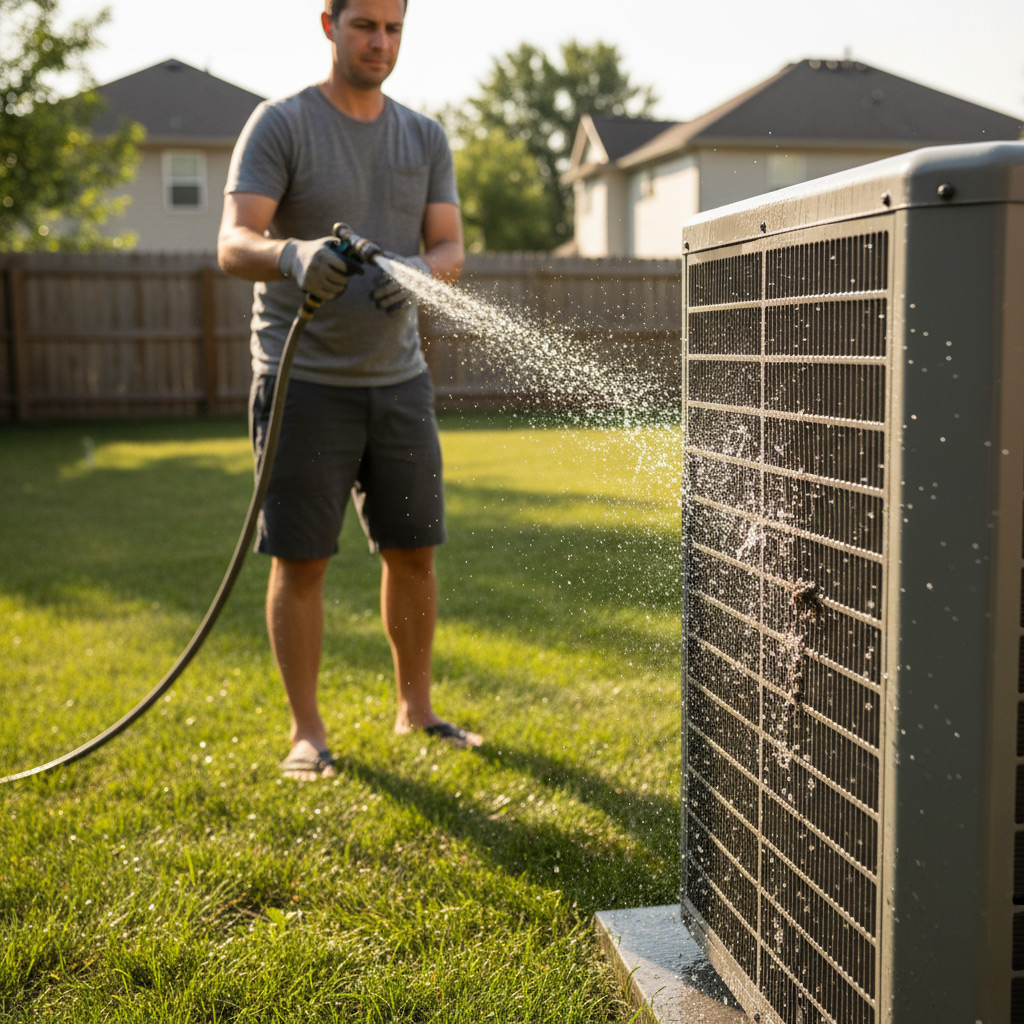
Orlando AC Rescue: A Case Study in Smart Replacement
Let's talk about the Smiths, a family living in Oviedo. Their AC was a dinosaur, pushing 18 years old. It rattled, it hummed, and it struggled to keep their home below 80 degrees during the peak summer months. Every service call was like pulling teeth, just another band-aid on a system that was clearly on its last breath.
We showed them the numbers. The cost of replacing the failing compressor and refrigerant leaks would be nearly half the price of a brand-new, high-efficiency unit. It was a tough decision. Keep throwing good money after bad, or invest in a solution that promised real relief?
They chose smart replacement. We installed a modern, SEER-rated system, perfectly sized for their home. The outcome? Their first power bill showed a staggering 40% reduction in AC-related costs. Beyond the savings, the house was consistently cool, quiet, and comfortable. They not only stopped the financial bleed but also added tangible value and comfort to their home.
Future-Proofing Your Comfort: Maximizing Your New AC's Lifespan in Florida
You’ve made a smart move by replacing your old, failing AC. Now, the goal isn't just relief, it's about making that investment last for years and years, especially under Florida's relentless sun. This means taking deliberate steps to protect your comfort and your wallet from another premature breakdown.
The Foundation: Proper Installation is Non-Negotiable
The lifespan of your new AC system begins long before its first hum. It starts with a flawless installation. A system that's improperly sized, has leaky ducts, or incorrect refrigerant levels is doomed from day one.
Ensure your chosen HVAC company follows industry best practices. A precise installation minimizes stress on components, ensuring your unit runs efficiently and reliably, setting the stage for a long, trouble-free life.
Your AC's Lifeline: Consistent Professional Care
Think of your AC as a high-performance vehicle constantly battling a harsh environment. Just like a car needs regular oil changes, your AC demands professional tune-ups. This isn't an optional extra; it's the most powerful tool you have to prevent premature failure.
Annual maintenance, ideally before the peak cooling season, allows technicians to:
- Inspect electrical connections and components for wear.
- Clean condenser and evaporator coils for optimal heat exchange.
- Check refrigerant levels and inspect for leaks.
- Calibrate your thermostat for accurate temperature control.
These proactive checks catch small issues before they become expensive, system-killing problems. They keep your unit running at peak performance, which saves you money on energy bills too.
Your Role: Smart Homeowner Habits
While professional care is paramount, your daily habits also play a significant role. Simple actions can drastically extend your unit's healthy operation. These small efforts add up to big savings and sustained comfort.
Here are a few actionable tips:
- Change Air Filters Regularly: In Florida’s dusty, humid air, check filters monthly and replace every 30-90 days. A clogged filter chokes your system, forcing it to work harder and shorten its life.
- Keep the Outdoor Unit Clear: Ensure the area around your condenser is free of debris, plants, and obstructions. Good airflow is critical for efficient heat dissipation.
- Mind Your Thermostat: Avoid constantly cycling your unit on and off, or setting temperatures too low. Smart thermostat usage reduces wear and tear.
- Watch for Pests: Florida's critters love AC units. Ants, geckos, and other insects can nest or damage wiring. A quick visual inspection around the unit periodically can help.
By combining expert installation, diligent professional maintenance, and smart homeowner practices, you’re not just extending your AC's life. You're safeguarding your comfort, reducing future costs, and ensuring your Orlando home remains a cool haven for many years to come.
Final Words: Reclaiming Your Cool and Peace of Mind.
You've seen the warnings. You understand the true cost of delay in this brutal Orlando heat. Your AC isn't just a machine; it's your frontline defense against the relentless Florida sun, ensuring your family's health and comfort.
Don't let a dying unit dictate your summer or drain your bank account with endless, temporary fixes. Take control of your indoor climate. The peace of mind that comes with a new, reliable air conditioning system is truly invaluable.
Imagine stepping into a consistently cool home, free from worries about the next breakdown or soaring utility bills. Making the smart choice for your home’s cooling doesn't have to be a guessing game. For Orlando homeowners, the path to sustained comfort and real savings starts with expert advice on air conditioning installation.
People Also Ask
How do I know if my AC is dying in Orlando?
Look for signs like warm air coming from vents, frequent cycling on and off, strange grinding or hissing noises, or unexplained spikes in your energy bills. Visible leaks or a unit struggling to maintain your desired temperature are also strong indicators of imminent failure.How long should an AC unit last in Florida's climate?
In Orlando's demanding hot and humid climate, an AC unit typically lasts between 10 to 12 years. While some well-maintained systems might stretch to 15 years, continuous use and corrosive elements often shorten their lifespan compared to other regions.Is it always better to replace an old AC than repair it in Orlando?
Not always, but if your AC is over 10 years old, requires costly repairs that exceed 50% of a new unit's price, or is highly inefficient, replacement is generally the more economical choice long-term. A new system offers superior efficiency and reliability, reducing future energy and repair costs.What are the financial risks of ignoring a dying AC in Orlando?
Ignoring a failing AC can lead to significantly higher energy bills as the inefficient unit works harder to cool your home. Furthermore, a sudden, complete breakdown often results in more expensive emergency repair calls or the urgent need for a rushed, premium-priced installation.What factors should I consider when choosing a new AC system for Orlando?
Focus on the SEER2 rating for energy efficiency, ensure proper sizing for your home's square footage, and consider features like variable-speed technology for superior humidity control. Choosing a reputable local installer with excellent warranties and service is also crucial for long-term comfort and peace of mind.
Orlando HVAC brings considerable expertise and experience to heating and cooling services across Orlando, FL. The team is dedicated to providing reliable comfort solutions tailored to the unique climate of Central Florida.
Need HVAC?
We deliver rapid, tangible results for your projects and challenges throughout Orlando and nearby areas (32801, 32819, 32836, 32803, 32810).
Instant Quote